Dirt Work Services in Coeur d'Alene, Idaho
Engineered Site Preparation for Confident Building Projects
Building on raw land requires more than heavy equipment—it demands local knowledge, technical precision, and proven experience.Lone Mountain Excavation brings 12 years of hands-on expertise delivering dependable dirt work throughout Coeur d'Alene, Idaho and surrounding areas including Hayden, Sandpoint, Post Falls, Spokane Valley, Spokane, and Rathdrum. The region’s diverse terrain, shifting soil compositions, and seasonal weather patterns require thoughtful planning before construction ever begins. Proper dirt work creates the foundation for long-term structural integrity, drainage performance, and project efficiency across residential, commercial, and agricultural developments.
Every successful project starts with understanding how North Idaho land behaves. From glacial soils to rocky substrates common in foothills, each site presents unique challenges. Professional dirt work ensures elevations are accurate, soil is compacted correctly, and water flows away from structures as intended. Without precise grading and excavation, even well-designed projects risk settling, erosion, or costly rework later. A strategic approach to earthmoving protects investments and keeps construction timelines predictable.
Experience matters when shaping land in this region. Knowledge of local building practices, environmental considerations, and permitting expectations plays a vital role in efficient execution. Projects benefit from careful coordination, modern equipment, and a commitment to safety at every stage. Quality dirt work is not just about moving soil—it is about preparing land to support homes, roads, utilities, and infrastructure for decades. With disciplined processes and attention to detail, professionally executed dirt work transforms undeveloped property into a stable, build-ready site.
Why Choose Us
Site Clearing and Preparation
We handle complete site clearing to prepare land for construction, removing vegetation, roots, debris, and unsuitable soil layers efficiently. Our approach ensures ground is properly exposed and stabilized for later phases. Careful planning minimizes surrounding disturbance while creating a clean surface ready for excavation.
Excavation and Earthmoving
We perform precise excavation for foundations, basements, utilities, and structural elements using modern equipment and skilled operators. Every cut is calculated to meet engineering specifications and site plans. Balanced earthmoving reduces material waste, controls costs, and aligns excavated areas accurately with intended construction depths.
Rough and Finish Grading
We provide accurate rough and finish grading to establish correct elevations, slopes, and drainage patterns across the site. This process supports proper water runoff and long-term surface stability. Attention to grade tolerances prevents pooling, erosion, and settlement while creating a smooth base for construction.
Trenching for Utilities
We complete trenching for water, sewer, electrical, and drainage lines with precision and safety in mind. Trenches are cut to exact depths and widths to meet code requirements and installation specifications, allowing efficient backfilling, compaction, and dependable long-term utility performance across construction sites reliably.
Soil Compaction and Stabilization
We apply professional compaction techniques to improve soil density and load-bearing capacity. Using appropriate equipment and testing methods, we ensure ground meets structural requirements. Proper compaction reduces settlement risks, supports foundations, and creates a stable base for slabs and roads and other construction surfaces.
Driveway and Access Preparation
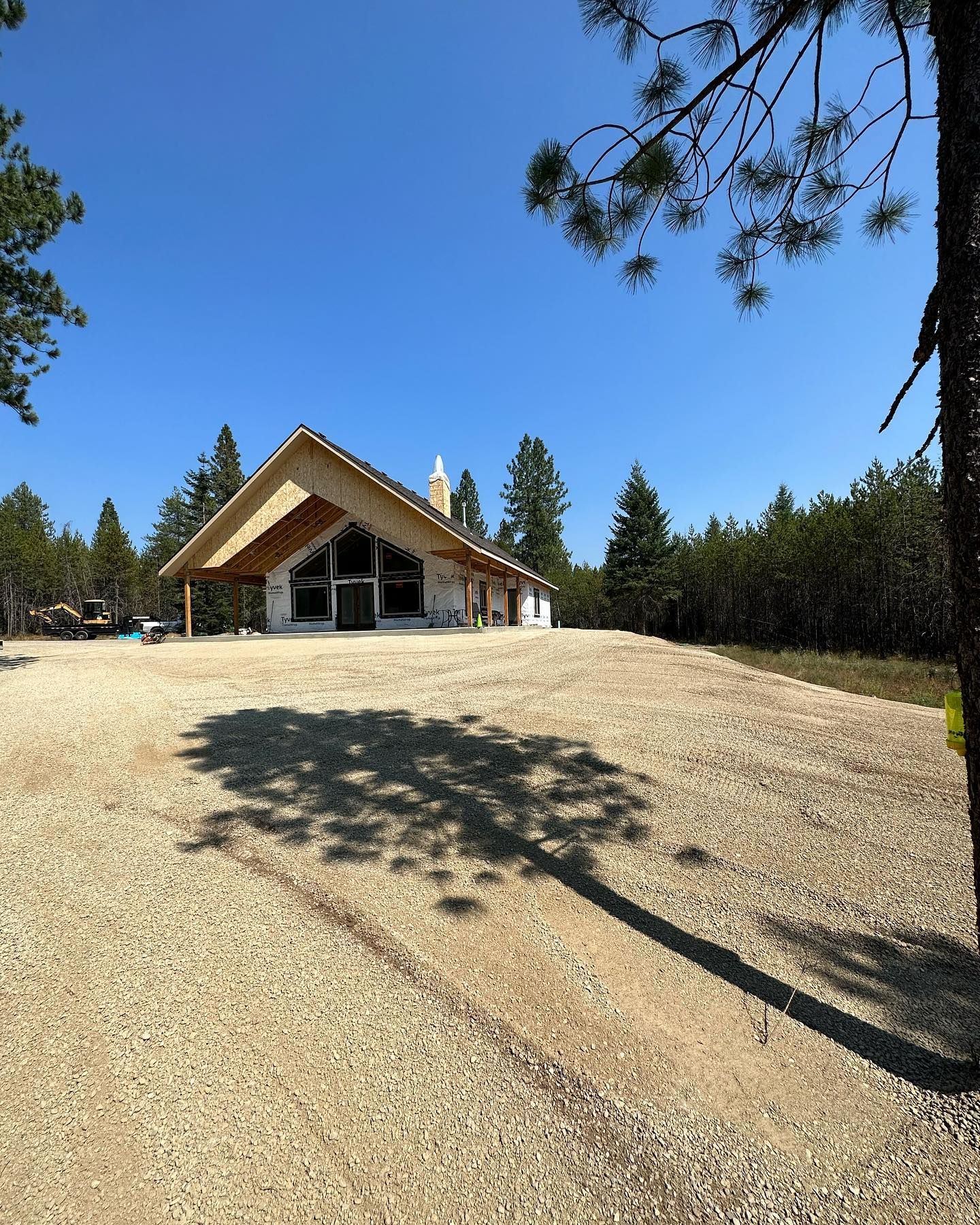
We prepare durable subgrades for driveways and access roads by excavating, grading, and compacting base materials. Our process ensures proper thickness, drainage, and alignment to handle vehicle loads. Well-prepared access surfaces improve usability, longevity, and site functionality during construction and future property use demands.
Benefits of Professional Dirt Work Services
Improved Structural Stability
Professional dirt work establishes a stable base that supports long-term structural integrity. Accurate excavation, grading, and compaction reduce risks of shifting, cracking, or uneven settlement over time. Proper soil preparation ensures foundations perform as designed, protecting buildings and infrastructure from preventable damage and failures.
Enhanced Drainage Performance
Expertly executed dirt work creates effective drainage patterns that direct water away from structures and surfaces. Proper slopes and grading prevent pooling, erosion, and moisture intrusion. Well-managed drainage protects foundations, roadways, and landscaped areas, extending lifespan and maintaining site usability through changing seasonal conditions.
Increased Construction Efficiency
Professionally prepared sites streamline construction workflows by eliminating unexpected obstacles and rework. Accurate elevations and stable soil allow builders to proceed confidently with foundations and utilities. Efficient dirt work reduces downtime, material waste, and scheduling conflicts throughout project execution phases, timelines, budgets, coordination, efficiency.
Long-Term Cost Savings
Investing in professional dirt work reduces future maintenance and repair expenses. Proper preparation minimizes erosion, drainage failures, and structural issues that often require costly remediation. Well-executed earthwork protects the overall investment by ensuring reliable site performance under stress from environmental loads, weather, usage, demands.
Compliance With Engineering Standards
Professional dirt work adheres to engineering plans, soil requirements, and construction standards. Accurate execution ensures compatibility with structural designs and inspections. Meeting these standards reduces approval delays, supports code compliance, and provides confidence in long-term site safety, performance, durability, accountability, consistency, reliability, readiness, assurance.
Safer Construction Environment
Proper dirt work creates a safer construction environment by stabilizing slopes, trenches, and work areas. Controlled excavation and compaction reduce collapse risks and uneven surfaces. A well-prepared site improves equipment operation, worker mobility, and overall safety outcomes during active construction, inspections, transitions, staging, phases.
Strategic Dirt Work for Stable Construction Outcomes
Effective dirt work is the cornerstone of successful construction, shaping land to support safe, durable, and efficient development. Lone Mountain Excavation applies 12years of practical experience to projects across Coeur d'Alene, Idaho, and surrounding areas, including Liberty Lake, Kellogg, Plummer, and Otis Orchards, delivering disciplined site preparation built around regional conditions. Every phase—from clearing to final grading—plays a role in protecting structures, managing water, and ensuring long-term performance. Skilled dirt work reduces uncertainty during construction and creates confidence that the land will perform as intended under daily use and seasonal stress. Whether supporting residential foundations, access roads, or utility systems, professional dirt work transforms undeveloped property into a dependable platform for progress. With the right approach, land becomes an asset rather than an obstacle, allowing construction to move forward efficiently and responsibly while respecting the unique characteristics of North Idaho terrain.
FAQ's

What does dirt work include in a construction project?
Dirt work includes clearing land, excavating, grading, trenching, and compacting soil to prepare a site for construction. These processes establish proper elevations, drainage, and stability, ensuring the ground can safely support structures, utilities, and surfaces throughout the project lifecycle efficiently reliably long-term.
Why is professional dirt work important before building?
Professional dirt work prevents future structural issues by addressing soil conditions early. Proper grading and compaction reduce settlement, drainage problems, and erosion. Skipping or rushing this phase often leads to costly repairs, delays, and compromised building performance over time during long-term ownership.
How long does a typical dirt work project take?
Project timelines depend on site size, soil conditions, weather, and scope of work. Smaller residential projects may take days, while larger developments require weeks. Efficient planning and professional execution help keep schedules predictable despite variable conditions across different project types and locations.
Can dirt work be done year-round in North Idaho?
Seasonal conditions affect scheduling, particularly during heavy rain or freezing temperatures. Experienced contractors plan around weather patterns common to the region. Proper timing and techniques allow dirt work to proceed safely and effectively during much of the year with minimal disruption risk.
How does local soil affect dirt work methods?
Soil composition influences excavation depth, compaction methods, and equipment selection. Rocky or clay-heavy soils require specialized approaches. Understanding local ground conditions helps ensure stability, drainage performance, and compliance with engineering requirements specific to the area during residential, commercial, and infrastructure development projects.
Do permits impact dirt work timelines?
Permits can influence scheduling, especially when grading or excavation affects drainage or utilities. Familiarity with local permitting processes helps reduce delays. Proper documentation and compliance ensure work progresses smoothly without interruptions from regulatory issues during active construction phases, inspections, approvals, reviews, coordination.
Why choose Lone Mountain Excavationfor dirt work projects?
Lone Mountain Excavation brings 12 years of experience working across Coeur d'Alene, Idaho and nearby communities. Familiarity with regional terrain, weather patterns, and construction expectations supports accurate planning, efficient execution, and dependable results for diverse project types across residential, commercial, and rural.
What areas are commonly served for dirt work projects?
Projects are regularly completed throughout Coeur d'Alene, Idaho and surrounding areas such as Hayden, Post Falls, Sandpoint, Spokane Valley, Spokane, and Rathdrum. Regional experience helps address soil, drainage, and site challenges unique to this geographic area during varied construction conditions, seasons, demands.